
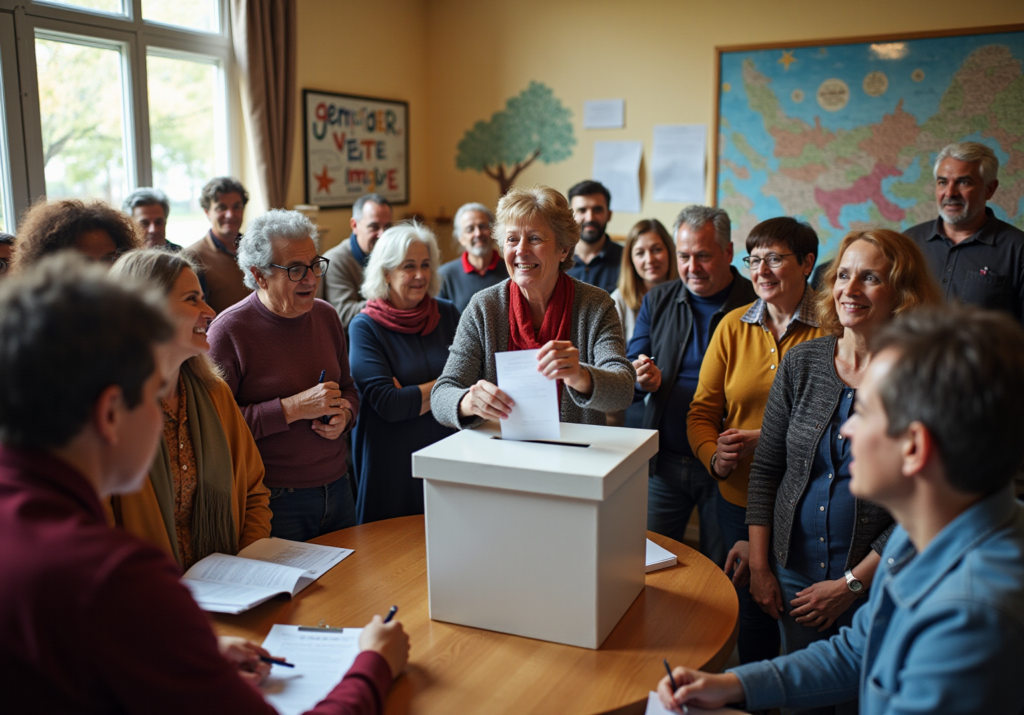
Key Highlights
- Free elections are defined by participation without coercion, choice among candidates, and accurate vote counting.
- Key characteristics include universal suffrage, secret ballots, and absence of intimidation.
- Open voting in organisations fosters democracy, enhances member trust, and increases participation by up to 30%.
- The historical evolution of free elections includes movements for universal suffrage, women’s rights, and civil rights.
- Innovative solutions like Votem’s online ballots improve accessibility for voters, including military personnel and individuals with disabilities.
- The Voting Rights Act is a pivotal moment in the struggle for electoral integrity and safeguarding voter rights.
- Free elections empower citizens, hold leaders accountable, and enhance organisational legitimacy in advocating for workers’ rights.
- Recent statistics show a growing approval of labour organisations and a significant labour-election victory rate.
- Challenges to free elections include voter suppression tactics such as intimidation and misinformation, affecting electoral integrity.
- Nearly 30% of labour members report experiencing intimidation during voting, with misinformation leading to turnout drops of up to 20%.
Introduction
The integrity of free elections is the bedrock of democratic governance, ensuring that every voice is heard and valued. This principle holds profound implications for unions, as open voting processes empower members to select their leaders and foster a culture of trust and engagement. However, the journey toward truly free elections is fraught with challenges. Voter suppression tactics and misinformation campaigns threaten to undermine the very essence of democratic participation.
How can unions navigate these obstacles to uphold the ideals of free elections and strengthen their representation? By addressing these issues head-on, union leadership can not only protect the democratic process but also enhance member engagement and trust. It’s crucial to recognize that the path to free elections is not just about overcoming challenges; it’s about seizing the opportunity to reinforce the values that unite us.
Define Free Elections: Key Characteristics and Principles
The free election definition embodies several fundamental principles: the right to participate without coercion, the ability to choose from various candidates or parties, and the assurance that votes are counted accurately and fairly. Key characteristics include universal suffrage, secret ballots, and the absence of intimidation or undue influence. In labor organizations, open votes are crucial for empowering individuals to select their leaders and representatives without fear, fostering a democratic atmosphere that enhances worker involvement and trust.
The significance of open voting in organizations cannot be overstated. in the voting process are essential. Organizations adhering to these principles often witness increased participation and satisfaction among their members. For instance, statistics reveal that organizations with robust voting procedures experience up to a 30% higher turnout in polls, reflecting the trust individuals place in the system. Furthermore, the principles outlined in the free election definition, such as equal access to campaigning and the right to a confidential ballot, are vital for upholding fairness and integrity. These practices not only safeguard candidates’ rights but also ensure that every member’s voice is heard, reinforcing the democratic foundation of the union.
In addition, consider the impact of open voting on organizational culture. By promoting a transparent voting process, unions can cultivate an environment where members feel valued and engaged. This leads to stronger commitment and loyalty among participants. As union leaders, it is imperative to prioritize these principles to enhance democratic practices within your organization. What steps can you take today to ensure that your voting processes reflect these ideals?
Trace the Historical Evolution of Free Elections
The evolution of the free election definition has undergone a remarkable transformation over the centuries, influenced by various social, political, and economic dynamics. Initially, electoral rights were confined to property-owning men. However, the 19th and 20th centuries marked a significant shift, with movements advocating for universal suffrage and the free election definition gaining momentum. Noteworthy milestones include the women’s suffrage movement, which tirelessly championed women’s right to vote, and the civil rights movement, which aimed to eradicate racial discrimination in the context of the free election definition.
In the realm of labor organizations, the free election definition highlights that implementing fair election practices is crucial in ensuring that workers can freely select their representatives. Votem’s innovative online ballot solutions have greatly for all eligible voters, including military personnel and individuals with disabilities. As one former official remarked, “Implementing Votem’s new, modern system which allowed greater access for all qualified voters from military voters to voters with disabilities was my greatest accomplishment in office.”
The passage of the Voting Rights Act in the United States stands as a pivotal moment in the ongoing struggle for the free election definition and electoral integrity. It underscores the necessity of safeguarding the rights of all voters, including union members. Votem’s successful management of 299,000 ballots for the National Radio Hall of Fame – a notable increase from previous years – demonstrates the impact of secure and accessible electoral solutions. This consensus on the importance of voting serves as a reminder that every vote plays a vital role in shaping the future of governance and representation.
Highlight the Importance of Free Elections in Democracy
Free votes are the cornerstone of democracy, empowering citizens to express their preferences and hold leaders accountable. This principle is especially crucial for organizations, as the free election definition promotes democratic governance by enabling members to choose their leaders and actively engage in decision-making. Such engagement not only strengthens the organization’s structure but also enhances its legitimacy in advocating for workers’ rights.
Consider this: the labor-election victory rate exceeded 70% for the first time in 15 years in 2023. This reflects a , which increased from 61% in 2017 to 70% in 2024. These statistics underscore the free election definition that highlights how free elections can invigorate union representation and strengthen collective bargaining efforts.
Furthermore, Votem’s innovative online ballot solutions have greatly improved electoral accessibility. This advancement enables increased participation from all eligible voters, including military personnel and individuals with disabilities. Votem’s services, such as secure online voting and user-friendly interfaces, have received positive feedback from clients, including the New Mexico State Republican Party, which praised Votem’s software performance and expressed intent to use their services again.
In addition, Votem successfully managed the receipt of 299,000 votes for the National Radio Hall of Fame, demonstrating a substantial increase in voter turnout. The free election definition highlights that free voting encourages social stability by facilitating peaceful transfers of authority, thus diminishing the likelihood of conflict within the organization. By guaranteeing that leadership mirrors the desires of the constituents, organizations can boost their credibility and efficiency in advocating for workers’ interests.
Identify Challenges and Threats to Free Elections
The free election definition highlights that free votes are vital to the democratic process, yet they face significant challenges, particularly in labor contexts. Voter suppression tactics – like intimidation and misinformation – can severely compromise electoral integrity. For example, employers may exert pressure on collective representatives, creating an environment where individuals feel unsafe or discouraged from participating in voting. Additionally, regulatory changes can complicate matters further, introducing barriers that obstruct fair electoral practices.
Statistics reveal the extent of voter suppression in labor organization votes; research indicates that nearly 30% of labor members have reported experiencing intimidation during the voting process. Moreover, misinformation campaigns can mislead voters about the voting procedure, leading to confusion and decreased participation. In some cases, these tactics have resulted in turnout drops of up to 20% in crucial labor votes.
Examples of voter suppression methods include:
- Spreading false information about voting eligibility and election timing
- Strategically scheduling meetings to coincide with voting periods, effectively limiting participation
Unions must remain vigilant against these threats, advocating for strong policies that safeguard electoral integrity and ensure every member can exercise their right to vote freely, in accordance with the free election definition. Addressing these challenges is essential for upholding the democratic principles that underpin union governance.
Conclusion
The essence of free elections is their power to empower individuals within unions. Every member deserves a voice in selecting their leaders and influencing decisions. This democratic process is crucial for the integrity of labor organizations and fosters a culture of transparency and accountability, enhancing member engagement and trust.
Key points throughout this discussion highlight the fundamental principles of free elections:
- Universal suffrage
- Secret ballots
- Elimination of intimidation
The historical evolution of these elections reveals significant milestones, such as the women’s suffrage movement and the Voting Rights Act, which have collectively shaped the landscape of electoral rights. Furthermore, the challenges posed by voter suppression tactics and misinformation underscore the ongoing need for vigilance to protect these democratic processes within unions.
Ultimately, the importance of free elections transcends mere procedural compliance; they are vital for maintaining the legitimacy and effectiveness of labor organizations. By ensuring that every member has the opportunity to participate in a fair and transparent voting process, unions can strengthen their advocacy for workers’ rights and promote a culture of engagement.
It is imperative for union leaders and members alike to commit to upholding these principles. How can we foster a democratic environment that not only reflects the voices of its constituents but also reinforces the foundation of democracy itself? By embracing these ideals, we can ensure that our unions remain strong and effective advocates for all members.
Frequently Asked Questions
What are the key principles of free elections?
The key principles of free elections include the right to participate without coercion, the ability to choose from various candidates or parties, and the assurance that votes are counted accurately and fairly.
What are the main characteristics of free elections?
The main characteristics of free elections include universal suffrage, secret ballots, and the absence of intimidation or undue influence.
Why is open voting important in labor organizations?
Open voting is crucial in labor organizations as it empowers individuals to select their leaders and representatives without fear, fostering a democratic atmosphere that enhances worker involvement and trust.
How does transparency in voting impact organizations?
Transparency and accountability in the voting process lead to increased participation and satisfaction among members. Organizations with robust voting procedures often see up to a 30% higher turnout in polls.
What practices are vital for upholding fairness and integrity in elections?
Vital practices for upholding fairness and integrity include equal access to campaigning and the right to a confidential ballot, which safeguard candidates’ rights and ensure every member’s voice is heard.
How does open voting affect organizational culture?
Open voting promotes a transparent voting process, cultivating an environment where members feel valued and engaged, leading to stronger commitment and loyalty among participants.
What should union leaders prioritize to enhance democratic practices?
Union leaders should prioritize the principles of free elections, such as transparency, accountability, and open voting, to enhance democratic practices within their organization.
List of Sources
- Define Free Elections: Key Characteristics and Principles
- Conducting Local Union Officer Elections (https://dol.gov/agencies/olms/compliance-assistance/publications/guide-for-conducting-local-union-officer-elections)
- Declaration on Criteria for Free and Fair Elections (https://ipu.org/impact/democracy-and-strong-parliaments/ipu-standards/declaration-criteria-free-and-fair-elections)
- Free and Fair Elections Index (https://ourworldindata.org/grapher/free-and-fair-elections-index)
- Electing Union Officers (https://dol.gov/agencies/olms/compliance-assistance/elections)
- democrats-edworkforce.house.gov (https://democrats-edworkforce.house.gov/download/delie-testimony)
- Trace the Historical Evolution of Free Elections
- These Inspiring Quotes Will Get You Excited to Vote (https://countryliving.com/life/g24446791/voting-quotes)
- Election Statistics, 1920 to Present | US House of Representatives: History, Art & Archives (https://history.house.gov/Institution/Election-Statistics)
- Highlight the Importance of Free Elections in Democracy
- 16 million workers were unionized in 2024: Millions more want to join unions but couldn’t (https://epi.org/publication/millions-of-workers-millions-of-workers-want-to-join-unions-but-couldnt)
- Free and Fair Elections Index (https://ourworldindata.org/grapher/free-and-fair-elections-index)
- fine.house.gov (https://fine.house.gov/news/documentsingle.aspx?DocumentID=114)
- Free and Fair Elections: The Cornerstone—and Crisis—of American Democracy | The Democracy Group (https://democracygroup.org/blog/free-and-fair-elections)
- Identify Challenges and Threats to Free Elections
- 2: Power to the People- Recalls and Referendums (https://socialsci.libretexts.org/Courses/California_State_University_Fullerton/Cases_in_California_Politics_and_Administration:_Centering_Equity_and_Social_Justice_Issues/01:_Case_Studies/1.02:_Power_to_the_People-_Recalls_and_Referendums)
- ‘A very hostile climate for workers’: US labor movement struggles under Trump (https://theguardian.com/us-news/2025/dec/14/labor-movement-union-trump-nlrb)