
Key Highlights
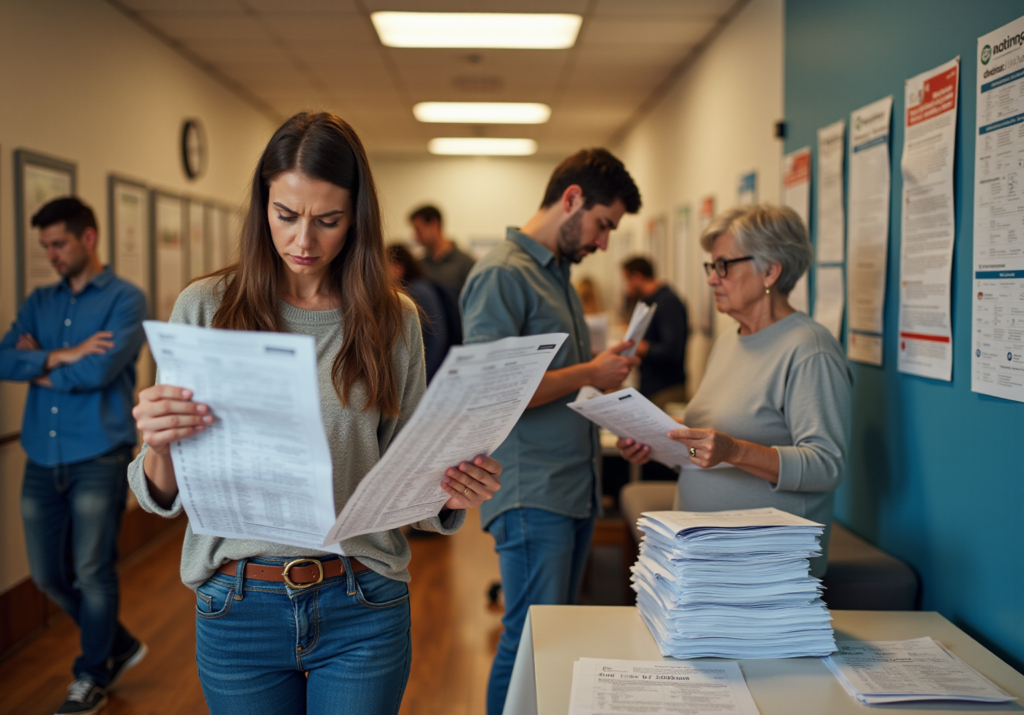
- Ballot fatigue, or choice overload, occurs when voters face too many options, leading to disengagement and skipped votes.
- In 2024, voters encountered seven distinct issues on ballots, contributing to fatigue and lower participation rates.
- Historical trends show that more complex voting methods, like ranked-choice voting, increase the risk of voter exhaustion.
- Research indicates that as the number of options increases, voter interest decreases, particularly in important elections.
- Votem’s online voting solutions aim to simplify the voting process and improve accessibility for all voters.
- Ballot exhaustion can lead to lower turnout rates and incomplete votes, undermining the democratic process.
- The concept of ballot fatigue encompasses related terms like voter exhaustion and choice overload, which denote the psychological strain of decision-making in elections.
- 65% of US adults report feeling drained by politics, highlighting the need to address ballot fatigue in voting systems.
Introduction
Ballot fatigue is an escalating concern in today’s electoral landscape, where voters find themselves inundated with an overwhelming array of choices on their ballots. This cognitive overload not only fosters disengagement but can also distort election outcomes, as many individuals choose to skip sections or abstain from voting entirely.
As we approach the 2026 elections, it is crucial to grasp the implications of ballot fatigue. How can electoral systems evolve to ensure that every citizen feels empowered to participate? Addressing this issue transcends mere convenience; it is vital for the very health of our democracy.
Define Ballot Fatigue: A Comprehensive Overview
Choice overload represents a significant challenge in the electoral process, where individuals face cognitive strain from an overwhelming number of options on a voting paper. This phenomenon often leads to disengagement, with many voters skipping sections or even opting out of elections entirely. The consequences of polling exhaustion are profound; it diminishes electoral participation and can skew election outcomes. For instance, in 2024, voters encountered seven distinct voting issues, a situation that lawmakers attributed to a growing sense of fatigue among the electorate.
Furthermore, this scenario underscores the difficulties individuals encounter when navigating extensive lists filled with numerous propositions and candidates. Understanding choice exhaustion is crucial, as it highlights the urgent need for electoral organizations to streamline options. By simplifying the voting experience, we can foster greater participation rates and enhance the democratic process.
In conclusion, addressing choice overload is not merely a matter of convenience; it is essential for encouraging active engagement in elections. Union leadership must recognize this challenge and advocate for , ultimately empowering citizens to make informed choices.
Explore the Origins of Ballot Fatigue in Electoral History
Voter exhaustion is a significant issue rooted in the evolution of electoral systems. As voting methods have transitioned from simple paper forms to more intricate formats, the introduction of numerous candidates and propositions has led to longer ballots, heightening the risk of fatigue among voters. For example, ranked-choice voting (RCV) and the rise of local measures can inundate individuals with choices, making participation daunting. Research indicates that as the number of options increases, so does the likelihood of voter disinterest, particularly in pivotal elections where complexity can deter engagement.
Craig M. Burnett notes, “Voters’ inability to rank multiple candidates contributes to exhaustion of choices,” underscoring the challenges associated with RCV. Understanding the historical context of voter exhaustion is vital for addressing contemporary issues, especially in elections where each vote carries significant weight. With the 2026 elections on the horizon, it is essential to consider how exhaustion might .
Votem’s innovative online voting solutions aim to enhance accessibility and participation, directly tackling the complexities of RCV. As Linda McCulloch points out, implementing Votem’s modern system has expanded access for all eligible voters, including military personnel and individuals with disabilities, which can greatly alleviate election fatigue. Furthermore, Votem successfully managed the receipt of 299,000 votes for the National Radio Hall of Fame, showcasing a notable increase in participation compared to previous years. Such advancements in voting technology are crucial for combating voter exhaustion and ensuring that every vote counts.
Analyze the Impact of Ballot Fatigue on Voter Engagement
Ballot exhaustion significantly impacts electoral participation, often leading to lower turnout rates and incomplete votes. When faced with lengthy ballots, individuals can experience , which may cause them to overlook candidates or measures they are unfamiliar with. This disengagement is particularly evident in elections featuring numerous propositions or candidates, where the cognitive load can become overwhelming.
Research shows that in areas with extensive options, participation can drop sharply, undermining the democratic process. Tackling voter exhaustion is crucial for election authorities and organizations, as it directly affects the validity and representativeness of electoral outcomes.
Votem’s mission is to enhance confidence and engagement through its innovative CastIron platform. By providing simple, secure, and accessible online voting solutions, Votem aims to address these challenges, ultimately fostering increased participation and reducing the effects of exhaustion.
Furthermore, consider the implications of ballot exhaustion on your union’s electoral strategy. How can you ensure that your members are informed and engaged? By prioritizing voter education and simplifying the voting process, you can help mitigate the risks associated with the ballot fatigue definition.
Identify Related Concepts and Terms Associated with Ballot Fatigue
The ballot fatigue definition includes several interconnected concepts, such as voter exhaustion, ballot tiredness, and choice overload. The ballot fatigue definition describes the significant concern of voter fatigue, which refers to the disengagement individuals experience from the electoral process, often stemming from frequent voting or an overwhelming amount of information. A Pew Research survey reveals that 65% of US adults frequently feel drained by politics. This statistic underscores the the ballot fatigue definition in current voting processes.
Ballot exhaustion poses a particular challenge in ranked-choice voting systems, where ballots can become invalid if individuals fail to rank enough candidates. Furthermore, choice overload refers to the psychological strain that arises when individuals face too many options, potentially leading to decision paralysis. Dr. Melissa Brown, a licensed psychologist, emphasizes this issue, stating, “a lot of folks are feeling this extra stress, this extra burden.” This highlights the psychological impact of voting and the need for solutions.
By recognizing the ballot fatigue definition and its implications for the upcoming 2026 elections, we can gain a better understanding of the complexities of voter behavior. It is crucial to acknowledge the significant challenges that arise in modern elections, especially in contexts where high voter engagement is essential for success. How can we address these issues to foster a more engaged electorate? The answer lies in developing strategies that alleviate voter fatigue and simplify the voting process.
Conclusion
Ballot fatigue stands as a significant barrier to effective electoral participation, arising from the overwhelming number of choices voters encounter during elections. This issue not only leads to disengagement but also threatens to skew election outcomes, as voters may skip sections or abstain altogether. Addressing ballot fatigue is crucial for revitalizing the democratic process and ensuring that every voice is heard.
Key insights throughout this discussion highlight the implications of ballot fatigue on voter engagement. From the historical evolution of voting methods to the effects of ranked-choice voting, it becomes evident that as options increase, so does the potential for voter disinterest. The notable decline in participation rates due to lengthy ballots underscores the urgent need for electoral reforms aimed at simplifying the voting experience. Furthermore, innovative solutions like Votem’s online voting platform present promising pathways to enhance accessibility and alleviate fatigue.
Ultimately, tackling ballot fatigue transcends merely improving the voting process; it empowers citizens to engage meaningfully in their democracy. By prioritizing voter education and advocating for simplified voting systems, stakeholders can cultivate a more informed and active electorate. As the 2026 elections approach, it is imperative to confront the challenges of ballot fatigue head-on, ensuring that every voter can participate fully and confidently in shaping their future.
Frequently Asked Questions
What is ballot fatigue?
Ballot fatigue, also known as choice overload, occurs when voters experience cognitive strain from having too many options on a voting paper, leading to disengagement from the electoral process.
How does ballot fatigue affect voter participation?
Ballot fatigue can lead to voters skipping sections of the ballot or opting out of elections entirely, which diminishes overall electoral participation and may skew election outcomes.
What example illustrates ballot fatigue in recent elections?
In the 2024 elections, voters faced seven distinct voting issues, which lawmakers attributed to a growing sense of fatigue among the electorate.
Why is understanding choice exhaustion important?
Understanding choice exhaustion is crucial as it highlights the need for electoral organizations to simplify options, which can foster greater participation rates and enhance the democratic process.
What can be done to address ballot fatigue?
To address ballot fatigue, electoral organizations should streamline options and simplify the voting experience, which can encourage active engagement in elections.
What role do union leadership and reforms play in combating ballot fatigue?
Union leadership must recognize the challenge of ballot fatigue and advocate for reforms that simplify the voting process, empowering citizens to make informed choices.
List of Sources
- Define Ballot Fatigue: A Comprehensive Overview
- Why the lack of voter turnout on April 1? Distrust, disinterest, voter fatigue all in play (https://sj-r.com/story/news/politics/elections/local/2025/04/14/distrust-disinterest-fatigue-led-to-lack-of-voter-turnout-in-springfield/83032846007)
- Understanding Voter Fatigue: Election Frequency and Electoral Abstention Approval | British Journal of Political Science | Cambridge Core (https://cambridge.org/core/journals/british-journal-of-political-science/article/understanding-voter-fatigue-election-frequency-and-electoral-abstention-approval/D8ACF93551F33ECBF9C7CC6ECACD765A)
- Legislators who decry ‘ballot fatigue’ seem to be afflicted with ballot envy (https://newsfromthestates.com/article/legislators-who-decry-ballot-fatigue-seem-be-afflicted-ballot-envy)
- Raising concerns over Missouri voter fatigue (https://fox2now.com/news/missouri/concerns-over-missouri-voter-fatigue)
- Longer ballots reduce voter participation, study shows (https://news.ufl.edu/2023/06/longer-ballots)
- Explore the Origins of Ballot Fatigue in Electoral History
- Legislators who decry ‘ballot fatigue’ seem to be afflicted with ballot envy (https://newsfromthestates.com/article/legislators-who-decry-ballot-fatigue-seem-be-afflicted-ballot-envy)
- With more elections around the corner, voter fatigue complicates 2023 (https://nondoc.com/2022/12/01/voter-fatigue-complicates-2023)
- Ballot exhaustion (https://ballotpedia.org/Ballot_exhaustion)
- Report: Deficiencies in Recent Research on Ranked Choice Voting Ballot Error Rates (https://mathematics-democracy-institute.org/deficiencies-in-recent-research-on-ranked-choice-voting-ballot-error-rates)
- Ballot (and voter) “exhaustion” under Instant Runoff Voting: An examination of four ranked-choice elections (https://sciencedirect.com/science/article/abs/pii/S0261379414001395?ref=ivn-news.ghost.io)
- Analyze the Impact of Ballot Fatigue on Voter Engagement
- Raising concerns over Missouri voter fatigue (https://fox2now.com/news/missouri/concerns-over-missouri-voter-fatigue)
- Voter fatigue – Wikipedia (https://en.wikipedia.org/wiki/Voter_fatigue)
- Longer ballots reduce voter participation, study shows (https://news.ufl.edu/2023/06/longer-ballots)
- Identify Related Concepts and Terms Associated with Ballot Fatigue
- Raising concerns over Missouri voter fatigue (https://fox2now.com/news/missouri/concerns-over-missouri-voter-fatigue)
- Ballot exhaustion (https://ballotpedia.org/Ballot_exhaustion)
- Understanding Voter Fatigue: Election Frequency and Electoral Abstention Approval | British Journal of Political Science | Cambridge Core (https://cambridge.org/core/journals/british-journal-of-political-science/article/understanding-voter-fatigue-election-frequency-and-electoral-abstention-approval/D8ACF93551F33ECBF9C7CC6ECACD765A)
- Political exhaustion: Election fatigue affects 65% of US adults, research shows (https://local21news.com/news/local/exhausted-by-politics-election-fatigue-affects-65-percent-of-us-adults-research-shows)