
Key Highlights
- Lever voting machines emerged in the late 19th century and were widely used until the early 2000s.
- These machines allowed voters to pull levers for candidates, but lacked independent vote records, complicating audits and raising transparency concerns.
- The Help America Vote Act of 2002 mandated the replacement of outdated voting methods, including lever machines, to enhance election integrity.
- Modern voting technologies include electronic ballot machines, optical scan systems, and online platforms, focusing on security, accessibility, and engagement.
- Contemporary systems use advanced encryption methods to secure votes and provide immutable audit trails for transparency.
- Modern platforms are designed to be accessible, adhering to WCAG 2.1 AA standards, which increases voter participation, especially among individuals with disabilities.
- Real-time monitoring features in modern systems help track voter engagement and reduce last-minute reminders.
- Union leadership must ensure compliance with regulations while adopting new technologies, which can enhance member engagement and increase turnout.
- Investing in training for staff and members is crucial for a smooth transition to modern voting systems, addressing security and privacy concerns.
- Although initial costs for modern systems may be higher, long-term savings from increased participation and reduced administrative expenses can make them financially viable.
Introduction
The evolution of voting technology has dramatically reshaped the electoral landscape. We’ve transitioned from the mechanical simplicity of lever voting machines to the sophisticated capabilities of modern systems. This shift not only addresses historical issues of security and accessibility but also enhances transparency and member engagement in union elections.
However, as union leaders embrace these advancements, they must grapple with the challenges of compliance and the implications for voter participation. How can they ensure that these new technologies truly empower every voice while safeguarding the integrity of the electoral process? This question is crucial as we navigate the complexities of modern electoral systems.
Historical Overview of Lever Voting Machines
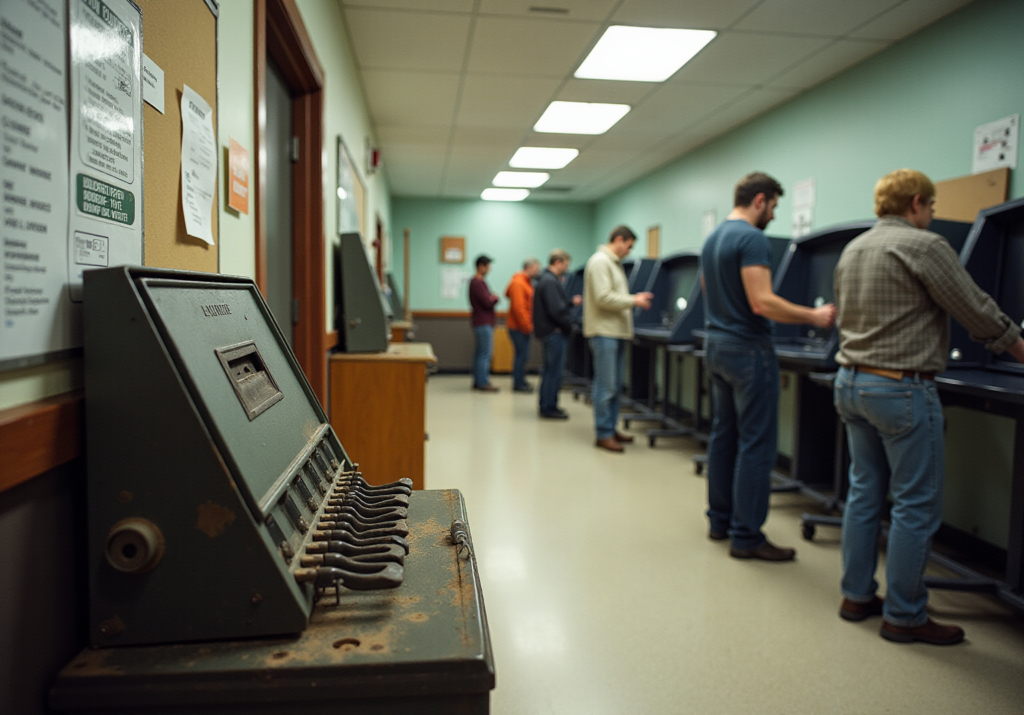
Lever ballot devices emerged in the late 19th century, gaining widespread adoption across the United States by the mid-20th century. These lever voting machines allowed voters to pull levers corresponding to their chosen candidates, with votes recorded through a mechanical ticker system. While they streamlined the electoral process and minimized the risk of , significant drawbacks were evident. Notably, the lack of an independent record for each vote complicated audits and recounts, raising concerns about transparency and accuracy.
By the early 2000s, growing apprehensions regarding security, accessibility, and the demand for more transparent ballot methods led many states to phase out the lever voting machine. The Help America Vote Act of 2002 was pivotal in this transition, mandating the replacement of outdated ballot methods, including the lever voting machine, and facilitating a shift toward electronic and digital processes. This legislative change underscored the necessity for enhanced election integrity and voter confidence, paving the way for modern electoral solutions that better serve the electorate.
As we reflect on the evolution of voting technology, it’s crucial to consider how these changes impact voter trust and participation. Are we doing enough to ensure that every vote counts and is accurately recorded? The transition from lever devices to more modern methods is not just a technical upgrade; it’s a commitment to fostering a democratic process that is transparent and reliable.
Features of Modern Voting Technology
Contemporary ballot systems encompass a range of mechanisms, including electronic ballot machines (EVMs), optical scan systems, and online ballot platforms. These technologies are designed to enhance the electoral process significantly.
- Security is paramount. Advanced encryption methods, such as AES-256, safeguard votes both in transit and at rest, ensuring voter confidentiality and integrity. For instance, Votem’s CastIron platform exemplifies this with its unchangeable audit trails, which bolster transparency and accountability throughout the election process. This platform simplifies the ballot-casting experience and is nearly impossible to deceive, thereby reinforcing voter trust.
- Accessibility is another critical feature. Many contemporary platforms adhere to the Web Content Accessibility Guidelines (WCAG) 2.1 AA, making participation feasible for individuals with disabilities. Votem’s has been shown to triple voter turnout on launch day, facilitating broader participation and engagement.
- Real-time Monitoring capabilities, such as real-time quorum meters, empower organizations to track participation and engagement during elections. This significantly reduces the need for last-minute reminders, ensuring valid elections and fostering a sense of involvement among members.
- Audit Trails are essential for transparency. Modern systems provide immutable audit trails that enable the verification of election results. This feature is crucial for building trust among voters and minimizing the chances of contested elections.
- User Experience is enhanced through mobile-first designs, allowing members to vote from anywhere, at any time. This flexibility is particularly beneficial for union members who may face challenges participating in person due to work commitments or other responsibilities.
Collectively, these features enhance the electoral process, making it more secure, efficient, and inclusive. Ultimately, they empower union leadership to engage their members effectively.
Comparative Analysis: Lever Machines vs. Modern Technology
When comparing lever voting machines to modern voting technologies, several key differences emerge that are crucial for understanding the evolution of electoral processes:
- Security: Lever machines were notorious for their lack of robust security features, making them vulnerable to tampering and fraud. In contrast, modern systems employ advanced encryption and secure protocols, significantly enhancing the protection of votes cast.
- Transparency: The absence of independent records in lever devices complicated the auditing process, raising concerns about electoral integrity. Modern technologies, however, provide detailed audit trails, which bolster transparency and foster trust in the electoral process.
- Accessibility: Lever devices often created barriers for voters with disabilities, limiting their participation. Modern systems are designed with accessibility in mind, ensuring compliance with legal standards such as WCAG 2.1 AA, thus promoting inclusivity for all voters.
- User Engagement: The requirement for physical presence at polling places with lever machines could deter voter participation. Contemporary innovations, especially internet-based ballot systems, enable remote participation, which has been demonstrated to notably boost turnout.
- Cost Efficiency: Although the initial investment in modern electoral systems like the lever voting machine may be higher, the long-term savings from reduced administrative costs and increased voter participation can outweigh these expenses, making them a financially sound choice for organizations.
Overall, contemporary ballot systems provide significant benefits compared to conventional lever voting machines, especially in terms of security, transparency, accessibility, and cost efficiency. These advancements are not just improvements; they are essential for modern electoral processes, ensuring that every vote counts and every voice is heard.
Implications for Union Leadership and Compliance
The transition from lever voting machines to modern voting technologies has significant implications for union leadership.
- Compliance with Regulations: Union leaders must ensure that any voting technology adopted complies with relevant labor laws and regulations, such as the Labor-Management Reporting and Disclosure Act (LMRDA). Modern systems often incorporate built-in compliance features that simplify adherence to these regulations, ensuring that elections are conducted fairly and transparently.
- Enhancing Member Engagement: The use of contemporary ballot systems has been shown to substantially boost member involvement in elections. For instance, Votem successfully handled the receipt of 123,000 votes, more than doubling turnout compared to previous elections. Furthermore, Votem’s innovative solutions have been praised for enhancing accessibility, as noted by various testimonials. Features such as mobile voting and real-time monitoring engage members who may have previously felt disenfranchised, fostering a more democratic process.
- Training and Adaptation: To ensure a smooth transition to new technologies, union leaders must invest in training for both staff and members. This training should cover the technical aspects of the systems and address any concerns regarding security and privacy. Proactive training and support are essential for maximizing the benefits of modern voting solutions, ensuring that all members can confidently participate in the electoral process.
- Cost Considerations: Although contemporary innovations may necessitate an initial expenditure, the potential for greater attendance and decreased administrative expenses can result in long-term savings. For example, the mobile-first user experience can significantly boost turnout. Union leaders should conduct thorough to evaluate the financial implications of adopting new systems, weighing initial costs against potential gains in participation and efficiency.
The shift to modern voting technologies presents both challenges and opportunities for union leadership, necessitating careful consideration of compliance, engagement, and cost.
Conclusion
The transition from lever voting machines to modern voting technology marks a pivotal evolution in the electoral landscape, especially for union leadership. This shift not only enhances the security and transparency of elections but also fosters greater accessibility and engagement among members. Embracing contemporary systems is essential to ensure that every vote is counted accurately and that the democratic process is upheld.
Key arguments throughout this discussion highlight the stark contrasts between outdated lever machines and the advanced features of modern voting technologies. Consider the robust security measures, such as encryption and audit trails, alongside improved accessibility that meets legal standards. Furthermore, the ability to engage members remotely through mobile platforms and real-time monitoring significantly boosts participation, making elections more inclusive and democratic.
As union leaders navigate this technological landscape, prioritizing compliance with regulations and investing in training for members and staff is crucial. This proactive approach will facilitate a smooth transition and empower unions to harness the full potential of modern voting systems. Ultimately, this shift towards advancements is not merely a technical upgrade; it represents a commitment to a more transparent, secure, and participatory electoral process that strengthens the democratic foundations of unions and enhances member engagement.
Frequently Asked Questions
When did lever voting machines first emerge and gain popularity in the United States?
Lever voting machines emerged in the late 19th century and gained widespread adoption across the United States by the mid-20th century.
How do lever voting machines work?
Lever voting machines allowed voters to pull levers corresponding to their chosen candidates, with votes recorded through a mechanical ticker system.
What are some advantages of lever voting machines?
Lever voting machines streamlined the electoral process and minimized the risk of ballot tampering.
What were the significant drawbacks of lever voting machines?
A major drawback was the lack of an independent record for each vote, which complicated audits and recounts, raising concerns about transparency and accuracy.
Why did many states begin to phase out lever voting machines in the early 2000s?
Growing concerns regarding security, accessibility, and the demand for more transparent ballot methods led many states to phase out lever voting machines.
What role did the Help America Vote Act of 2002 play in the transition from lever voting machines?
The Help America Vote Act of 2002 mandated the replacement of outdated ballot methods, including lever voting machines, and facilitated a shift toward electronic and digital processes to enhance election integrity and voter confidence.
What is the significance of transitioning from lever voting machines to modern voting methods?
The transition is not just a technical upgrade; it represents a commitment to fostering a democratic process that is transparent and reliable, ultimately impacting voter trust and participation.
List of Sources
- Historical Overview of Lever Voting Machines
- How lever-action voting machines really worked – CITP Blog (https://blog.citp.princeton.edu/2021/04/01/how-lever-action-voting-machines-really-worked)
- Tablets, Levers, and Paper: How our voting machinery has evolved (https://spurlock.illinois.edu/blog/p/tablets-levers-and/380)
- Pulling the lever: a look at past voting technology (https://bytesandboxes.org/2016/11/06/pulling-the-lever-a-look-at-past-voting-technology)
- Jesuit Resource – Election Day Quotes (https://xavier.edu/jesuitresource/online-resources/quote-archive1/election-dayvoting)
- Features of Modern Voting Technology
- Innovations in Accessible Elections – Final Report | Center for civic design (https://civicdesign.org/avti/innovations-in-accessible-elections)
- 7 Benefits of Union Electronic Voting for Enhanced Participation | Online Voting with Votem® (https://votem.com/7-benefits-of-union-electronic-voting-for-enhanced-participation)
- Security Recommendations (https://nist.gov/itl/voting/security-recommendations)
- Comparative Analysis: Lever Machines vs. Modern Technology
- The Search for New Voting Technology (https://bostonreview.net/forum/stephen-ansolabehere-search-new-voting-technology-0)
- Comparing Old Voting Machines to Modern Solutions for Unions | Online Voting with Votem® (https://votem.com/comparing-old-voting-machines-to-modern-solutions-for-unions)
- Implications for Union Leadership and Compliance
- West Virginia was the first state to use mobile voting. Should others follow? (https://news.uchicago.edu/story/voting-mobile-devices-increases-election-turnout)
- Electing Union Officers Using Remote Electronic Voting Systems (https://dol.gov/agencies/olms/compliance-assistance/tips/remote-electronic-voting-systems)
- Comparing Old Voting Machines to Modern Solutions for Unions | Online Voting with Votem® (https://votem.com/comparing-old-voting-machines-to-modern-solutions-for-unions)