
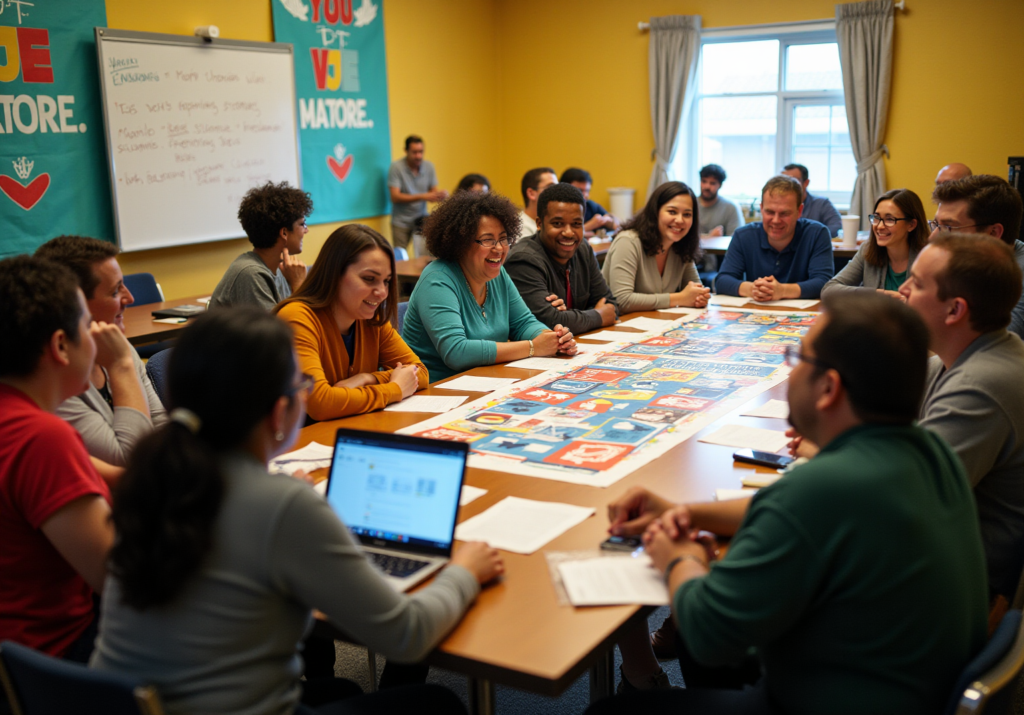
Key Highlights
- Voter turnout is essential for civic engagement and democracy, impacting workers’ rights and benefits.
- High turnout rates can lead to the election of labour-friendly candidates, improving conditions for union members.
- Innovative solutions like Votem’s online ballot systems enhance accessibility and security for voters.
- Direct communication and storytelling are effective strategies for engaging voters and emphasising the importance of their participation.
- Educational campaigns and incentives can motivate union members to vote and increase turnout.
- Leveraging technology, such as online polling platforms and mobile apps, can facilitate easier voter participation.
- Accessibility measures, including ADA-compliant polling places and multilingual voting materials, are crucial for inclusive participation.
- Outreach to marginalised communities helps identify barriers to voting and encourages broader engagement.
Introduction
Voter turnout is a crucial indicator of civic engagement, significantly impacting the health of democracy and the policies that shape workers’ rights. For labor organizations, implementing effective strategies to enhance participation in local elections can lead to substantial advancements for their members, ensuring their voices resonate in the political landscape. However, many unions grapple with the challenge of mobilizing their constituents effectively. What innovative approaches can be adopted to inspire greater voter engagement and dismantle the barriers that often impede participation?
Furthermore, understanding the stakes involved is essential. When union members actively participate in elections, they not only influence outcomes but also advocate for policies that directly affect their livelihoods. This engagement is not merely beneficial; it is imperative for the future of labor rights. In addition, by fostering a culture of participation, unions can strengthen their collective power and ensure that their interests are represented.
To overcome the hurdles of mobilization, unions must explore creative solutions. This could involve:
- Leveraging technology to reach members
- Organizing community events that emphasize the importance of voting
- Collaborating with local organizations to amplify their message
By addressing these challenges head-on, unions can cultivate a more engaged membership that is ready to make its voice heard.
In conclusion, the path to increased voter engagement is clear. By recognizing the importance of participation and implementing innovative strategies, labor organizations can empower their members and enhance their influence in the political arena. The time for action is now.
Understand the Importance of Voter Turnout
is a crucial indicator of civic engagement and the overall health of democracy. For labor organizations, exploring how could be improved in local elections can lead to substantial changes in policies that directly impact workers’ rights and benefits. When workers actively participate in elections, they amplify their collective voice, ensuring their interests are prioritized.
Increased turnout often results in the election of candidates who champion labor-friendly policies, thereby for union members. For example, states like Minnesota and Colorado, which recorded and 76.41% respectively in the 2020 presidential election, illustrate how can yield favorable electoral outcomes. Furthermore, Votem’s innovative have been instrumental in improving accessibility and security, facilitating greater participation from all qualified individuals, including military personnel and those with disabilities. As Linda McCulloch noted, “Implementing Votem’s new, modern system which allowed from military voters to voters with disabilities was my greatest accomplishment in office.”
Successful initiatives, such as Votem’s management of 299,000 votes for the National Radio Hall of Fame, demonstrate how modern voting systems can significantly . Understanding the stakes in local elections empowers organizations to effectively engage their participants, fostering a culture of involvement that yields long-term benefits for workers, and prompting discussions on how could be improved in local elections.
Moreover, have proven effective in driving turnout, leading to , ultimately reinforcing the organization’s influence in shaping labor policies. Are you ready to take action and mobilize your members for the upcoming elections?
Engage Voters Personally
To effectively engage voters, unions must consider how could be improved in local elections by adopting a that resonates with their constituents. Here are some strategies that can make a significant impact:
- : Utilize phone calls, text messages, and personalized emails to reach out to individuals. Emphasize the importance of their vote and how it directly affects their rights and benefits.
- Storytelling: Share . This emotional connection can motivate them to take action and vote.
- : , candidates, and critical issues at stake. Such events foster a sense of community and encourage active participation, which raises the question of how could be improved in local elections.
- : Equip organization leaders and active members to engage their peers in discussions about voting. Personal recommendations often carry more weight than generic messages.
- Recognition: who participate in elections. This not only reinforces the value of their engagement but also encourages others to follow suit.
Implement Effective Voter Attraction Strategies
To effectively attract voters, unions can implement several impactful strategies:
- : Start by disseminating . This includes registration deadlines, polling locations, and what to expect on election day. Utilize flyers, social media, and newsletters to ensure that all individuals are informed and prepared.
- Incentives: Introduce . Consider offering entry into a raffle or acknowledgment in organizational communications. These incentives can serve as motivating factors, encouraging higher participation rates.
- Visibility: Enhance the during election season. Host events, engage in community forums, and collaborate with local organizations. Increased visibility promotes a sense of community and stimulates participation in elections.
- : Leverage social media platforms to disseminate reminders about voting. Emphasize key issues and motivate individuals to discuss their voting plans. Engaging content can amplify the message and reach a broader audience.
- Partnerships: Form alliances with other organizations that share similar goals. Collaborative efforts can enhance outreach and effectiveness, ultimately resulting in increased participation.
By concentrating on these strategies, unions can significantly address how could be improved in local elections. This ensures that their constituents’ voices are heard in the electoral process.
Leverage Technology for Voter Engagement
Unions can leverage technology to enhance through several effective methods:
- Online Polling Platforms: , such as Votem’s CastIron platform, facilitate easy and accessible participation for members. These platforms ensure compliance with regulations like NCUA, DOL, ERISA, and SOC 2. Votem’s platform has successfully , showcasing its ability to handle large volumes efficiently and securely. This .
- Mobile Apps: By creating or utilizing existing mobile applications, unions can provide vital , enable simple registration, and send timely reminders about election dates. Research indicates that mobile voting can , prompting us to consider how could be improved in local elections?
- Virtual Events: allows for discussions about candidates and issues, enabling participants to engage from the comfort of their homes. This method not only educates but also fosters a sense of community and engagement among individuals.
- Social Media Engagement: Utilizing social media platforms to create interactive content, such as polls and Q&A sessions, encourages discussions about the importance of voting. Engaging participants through these channels can significantly enhance their connection to the electoral process.
- Data Analytics: Employing data analytics helps identify members who are less likely to vote, allowing for . This strategic approach ensures that all voices are heard and that participation rates are maximized, raising the question of how could be improved in local elections, ultimately strengthening the democratic process within the organization.
Ensure Accessibility for All Voters
To ensure that all voters can participate in elections, unions must implement :
- : Advocate for polling places that comply with the Americans with Disabilities Act (ADA). This commitment not only meets legal obligations but also raises the issue of how could be improved in local elections by ensuring full accessibility for individuals with disabilities.
- : Provide in various languages and formats, such as large print and braille. Research shows that accessible materials can greatly enhance how could be improved in local elections, particularly for non-English speakers and individuals with visual impairments.
- : Offer transportation solutions for those who may struggle to reach polling places. Organizing carpools or providing shuttle services can effectively remove barriers and address how could be improved in local elections, facilitating greater participation.
- : Actively engage with marginalized communities to identify specific in the electoral process. Tailoring outreach efforts to address these challenges fosters inclusivity and raises the question of how could voter turnout be improved in local elections.
- : Empower members by educating them about their voting rights and the resources available to ensure access to the electoral process. Knowledge of rights motivates individuals to advocate for themselves and their communities, leading to discussions about how could voter turnout be improved in local elections, which reinforces the democratic principle that every vote counts.
Conclusion
Boosting voter turnout in local elections is not just important; it’s essential for fostering a vibrant democracy. This is especially true for labor organizations that aim to amplify the voices of workers. By actively engaging union members and employing targeted strategies, unions can significantly influence electoral outcomes. This ensures that candidates who support labor-friendly policies are elected, empowering workers and strengthening the democratic process.
To enhance voter engagement, several proven strategies can be employed:
- Personal outreach
- Educational campaigns
- Use of technology
Direct communication, storytelling, and community events create emotional connections that motivate individuals to vote. Furthermore, leveraging online platforms and mobile applications can streamline the voting process, making participation more accessible and efficient. It is crucial to ensure that all voters, including those from marginalized communities, can access the electoral process to maximize turnout.
Ultimately, the responsibility lies with unions to mobilize their members and advocate for increased participation in local elections. By implementing these strategies and fostering a culture of engagement, unions can improve voter turnout and contribute to shaping policies that directly impact the working community. The time to take action is now-every vote matters. Together, unions can make a significant difference in the democratic landscape.
Frequently Asked Questions
Why is voter turnout important for democracy?
Voter turnout is a crucial indicator of civic engagement and the overall health of democracy. It allows workers to amplify their collective voice and ensures their interests are prioritized in policy-making.
How does increased voter turnout affect labor policies?
Increased voter turnout often results in the election of candidates who support labor-friendly policies, which can enhance working conditions for union members.
Can you provide examples of states with high voter turnout?
Minnesota and Colorado had notable turnout rates of 79.96% and 76.41% respectively in the 2020 presidential election, showcasing how mobilization efforts can lead to favorable electoral outcomes.
What role does Votem play in improving voter turnout?
Votem provides innovative online ballot solutions that enhance accessibility and security, facilitating greater participation from all qualified individuals, including military personnel and those with disabilities.
What successful initiatives demonstrate the impact of modern voting systems?
Votem’s management of 299,000 votes for the National Radio Hall of Fame is an example of how modern voting systems can significantly boost turnout.
How can organizations effectively engage voters?
Organizations can engage voters by utilizing direct communication, sharing compelling stories, organizing in-person events, facilitating peer-to-peer outreach, and recognizing members who participate in elections.
What is the significance of storytelling in voter engagement?
Sharing compelling stories about how past elections have influenced individuals’ lives creates an emotional connection that can motivate them to take action and vote.
Why are in-person events beneficial for voter turnout?
In-person events foster a sense of community and encourage active participation, which can significantly raise voter turnout in local elections.
How can peer-to-peer outreach improve voter engagement?
Equipping organization leaders and active members to engage their peers in discussions about voting can be more effective than generic messages, as personal recommendations carry more weight.
How can organizations encourage members to participate in elections?
By recognizing and celebrating members who participate in elections, organizations reinforce the value of engagement and encourage others to follow suit.
List of Sources
- Understand the Importance of Voter Turnout
- Voter Turnout by State 2025 (https://worldpopulationreview.com/state-rankings/voter-turnout-by-state)
- How Voter Turnout Shaped the 2025 Election – News at Southern (https://news.southernct.edu/2025/11/10/how-voter-turnout-shaped-the-2025-election)
- Voter Turnout – FairVote (https://fairvote.org/resources/voter-turnout)
- Engage Voters Personally
- votem.com (https://votem.com/7-strategies-to-engage-union-voters-effectively)
- The Effects of Canvassing, Phone Calls, and Direct Mail on Voter Turnout in the United States | The Abdul Latif Jameel Poverty Action Lab (https://povertyactionlab.org/evaluation/effects-canvassing-phone-calls-and-direct-mail-voter-turnout-united-states)
- What Is Voter Turnout and Why It Matters for Unions | Online Voting with Votem® (https://votem.com/what-is-voter-turnout-and-why-it-matters-for-unions)
- Motivational Quotations for Politics, Democracy, and Elections — PakVoter (https://pakvoter.org/motivational-quotations-for-politics-democracy-and-elections)
- Implement Effective Voter Attraction Strategies
- votem.com (https://votem.com/7-strategies-to-engage-union-voters-effectively)
- These Inspiring Quotes Will Get You Excited to Vote (https://countryliving.com/life/g24446791/voting-quotes)
- votem.com (https://votem.com/10-voter-turnout-examples-that-boost-engagement-and-trust)
- hechingerreport.org (https://hechingerreport.org/a-surprising-shift-in-the-political-equation-once-low-college-student-voting-is-way-up)
- Leverage Technology for Voter Engagement
- 7 Benefits of Union Electronic Voting for Enhanced Participation | Online Voting with Votem® (https://votem.com/7-benefits-of-union-electronic-voting-for-enhanced-participation)
- Benefits of Trade Union Online Voting (https://electionbuddy.com/blog/2024/03/06/benefits-of-trade-union-online-voting)
- blog.nemovote.com (https://blog.nemovote.com/online-voting-for-organizations/ufo-digital-union-voting-record-turnout)
- Advantages of online voting in union elections (https://kuorum.org/en/blog/benefits-of-an-online-voting-tool-for-union-elections)
- 10 Benefits of eVoting for Union Leadership Engagement | Online Voting with Votem® (https://votem.com/10-benefits-of-e-voting-for-union-leadership-engagement)
- Ensure Accessibility for All Voters
- Accessible Voting is Under Attack 35 Years After the ADA | ACLU (https://aclu.org/news/disability-rights/accessible-voting-is-under-attack-35-years-after-the-ada)
- These Inspiring Quotes Will Get You Excited to Vote (https://countryliving.com/life/g24446791/voting-quotes)
- U.S. states and localities offer ballots in many languages – ShareAmerica (https://share.america.gov/u-s-states-and-localities-offer-ballots-in-many-languages)