
Key Highlights:
- Old voting machines evolved from mechanical models in the 1890s to electronic systems, aiming to reduce fraud and streamline the electoral process.
- Early voting machines faced criticism for complexity and errors, leading to a shift towards more modern solutions like Electronic Voting Machines (EVMs).
- Modern ballot technologies enhance safety, accessibility, and efficiency, aligning with the digital era’s expectations.
- EVMs facilitate faster counting but raise security concerns, necessitating measures to ensure their reliability.
- Online voting platforms, such as Votem’s CastIron, significantly boost voter turnout by allowing remote participation, adhering to strict regulations.
- Mobile ballot applications improve accessibility for disabled voters, promoting inclusivity in the electoral process.
- Blockchain technology is being explored to enhance election security and transparency, potentially restoring public trust.
- Comparative analysis shows modern voting technologies offer better security, accessibility, efficiency, user experience, and compliance with regulations than older systems.
- Transitioning to modern voting solutions can increase voter turnout, enhance security, ensure regulatory compliance, and reduce long-term costs despite initial investment challenges.
- Training and adaptation are essential for unions to successfully implement new voting technologies and maximise member engagement.
Introduction
The evolution of voting technology has dramatically reshaped the electoral landscape. We’ve transitioned from outdated machines, riddled with security vulnerabilities, to cutting-edge solutions that enhance accessibility and efficiency. This shift presents unions with a unique opportunity: not only can they boost voter turnout, but they can also strengthen trust in the electoral process.
However, as we embrace these modern systems, a critical question arises: how can unions effectively navigate the challenges of adaptation and security? Addressing this question is essential for leveraging the full potential of these advancements. Furthermore, understanding the implications of these technologies will empower union leadership to make informed decisions that benefit their members and the democratic process.
Historical Overview of Voting Machines
Old voting machines have undergone remarkable evolution since their inception in the late 19th century. The introduction of the first mechanical voting machines in the 1890s aimed to streamline the electoral process and reduce fraud. Early models, such as the Acme Voting Machine, were designed to enhance vote protection by enabling poll overseers to detect fraudulent activities. However, these machines faced criticism for their complexity and susceptibility to errors.
As innovation progressed, various systems emerged, including lever machines and punch cards, each presenting unique challenges. Lever machines, while groundbreaking, proved cumbersome and required extensive maintenance. The late 20th century marked the arrival of electronic ballot machines (EVMs), which promised increased efficiency but also raised significant concerns about security and reliability. Recent elections have underscored the risks associated with old voting machines, emphasizing the urgent need for modernization in ballot technology.
Historical data on ballot equipment usage reveals a shift in preferences over the decades, with electronic systems becoming increasingly prevalent. However, the vulnerabilities of these systems have sparked calls for enhanced protective measures and updates to ensure the integrity of the electoral process. Case studies on early ballot machine implementations illustrate both the successes and failures of past innovations, offering valuable insights for future advancements in the field.
Furthermore, as we consider the future of voting technology, it is crucial to reflect on the lessons learned from history. What steps can we take to ensure that our electoral systems are not only efficient but also secure? By addressing these challenges head-on, we can pave the way for a more reliable and trustworthy electoral process.
Innovations in Modern Voting Technology
Use english for answers
Please return corrected/formatted text for:
Transforming the Electoral Landscape with Advanced Ballot Technology
Contemporary ballot technology has fundamentally altered the electoral environment, introducing advancements that enhance safety, accessibility, and efficiency. These innovations not only address the shortcomings of old voting machines but also align with the evolving expectations of citizens in a digital era, ultimately promoting a more inclusive and efficient electoral process.
-
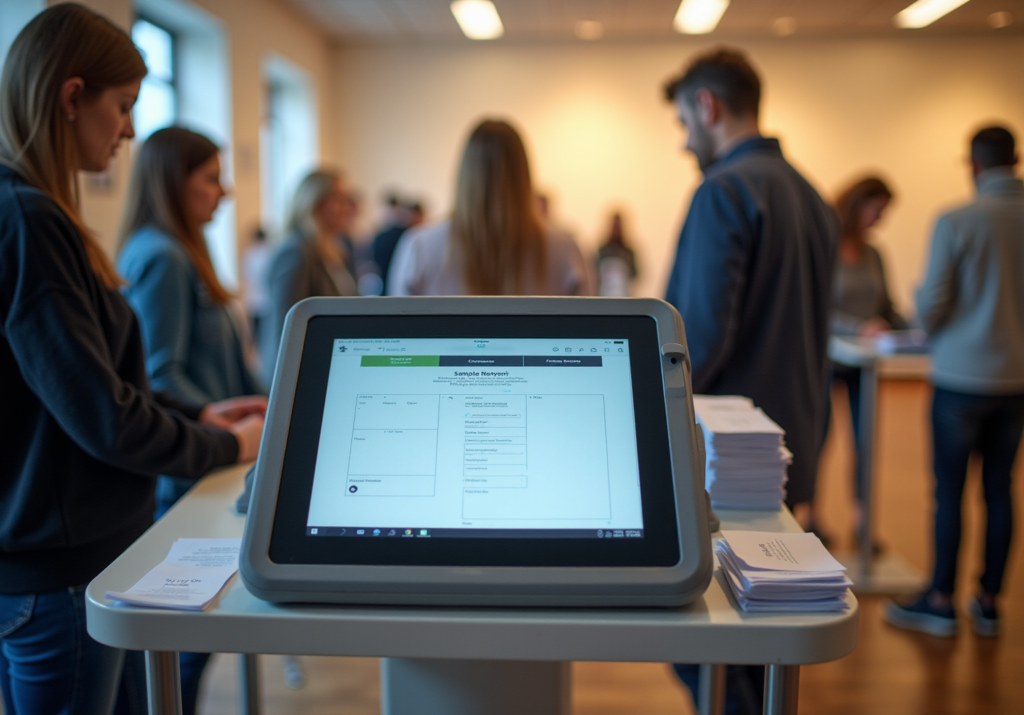
Electronic Voting Machines (EVMs) have revolutionized the voting process by facilitating electronic ballot casting. This advancement significantly accelerates the counting process and minimizes human error. However, despite their advantages, concerns regarding security vulnerabilities and potential hacking persist. How can we ensure that these machines are secure while maintaining their efficiency?
-
Online Voting Platforms like Votem’s CastIron are paving the way for secure online voting, allowing participants to engage from any location. This flexibility enhances voter turnout, with organizations reporting increases of up to three times on launch day. These platforms adhere to stringent regulations, ensuring the integrity of the electoral process. As one client noted, “Implementing Votem’s new, modern system which allowed greater access for all eligible participants was my greatest accomplishment in office.” What could such a system mean for your organization?
-
The rise of smartphones has led to the development of Mobile Ballot Applications, which provide an easy-to-use interface for individuals casting their votes. Designed to be inclusive, these applications comply with WCAG 2.1 AA standards, ensuring accessibility for all users. Votem’s CastIron platform exemplifies this innovation, allowing individuals to engage with elections from anywhere, whether at home or on the go. How might this accessibility impact voter engagement?
-
Some contemporary systems are exploring Blockchain Technology to enhance security and transparency in elections. By establishing unchangeable records of votes cast, this innovation addresses issues of election integrity and promotes public trust. Could blockchain be the key to restoring confidence in our electoral processes?
In conclusion, the advancements in ballot technology not only improve the electoral process but also reflect the demands of a modern society. Union leadership must consider these innovations to foster a more engaged and informed electorate.
Comparative Analysis: Old vs. Modern Voting Technologies
The comparison between old and modern voting technologies highlights significant advancements in functionality, security, and user experience:
-
Security: Old voting machines were vulnerable to tampering and fraud, often lacking adequate audit trails. In contrast, modern technologies boast enhanced security features, including encryption and blockchain options, ensuring integrity and transparency.
-
Accessibility: Historically, old voting machines posed challenges for disabled voters, providing few options. Modern solutions are designed for inclusivity, providing mobile and online voting options that cater to diverse needs.
-
Efficiency: The slow counting processes of old voting machines were prone to human error. Today’s rapid counting and reporting capabilities deliver real-time results, significantly reducing wait times.
-
User Experience: Voters often found complex interfaces confusing with old voting machines. Modern designs prioritize intuitive, user-friendly interfaces that enhance participation and engagement.
-
Compliance: Many old voting machines frequently fell short of current regulations. Modern technologies are built to comply with today’s electoral laws and standards, ensuring legitimacy and trustworthiness.
This analysis underscores the necessity for unions to transition to modern voting solutions that not only enhance security and efficiency but also foster greater voter engagement and trust. With over 98% of jurisdictions in the U.S. utilizing systems that generate a paper record, the trend towards adopting optical scan methods reflects a commitment to accuracy and reliability in elections. Furthermore, platforms like Votem’s CastIron, designed with a mobile-first approach, empower members to vote from any location, thereby increasing participation and accessibility for historically underrepresented groups.
Implications of Transitioning to Modern Voting Solutions
Transitioning to modern voting solutions presents both opportunities and challenges for unions.
-
Increased Voter Turnout: Contemporary technologies, particularly online and mobile balloting, have shown a remarkable ability to enhance voter participation. For instance, Votem’s platform has achieved up to a threefold increase in turnout on launch day, demonstrating how mobile accessibility can engage members who might face barriers to in-person voting. Notably, Votem managed to receive 299,000 votes for the National Radio Hall of Fame, a significant rise from last year’s 126,000 votes. This showcases the platform’s effectiveness in driving participation. Research indicates that reducing logistical obstacles could have led to 5 million more ballots cast nationwide, underscoring the importance of modern electoral solutions.
-
Improved Security and Trust: The adoption of secure ballot technologies fosters greater public confidence in the electoral process. With features such as AES-256 encryption and an immutable audit trail, unions can significantly diminish the chances of contested elections, thereby reinforcing the integrity of their election processes. Barbara Smith Warner, Executive Director of NVAHI, highlights that embracing modern systems can protect electoral rights and substantially increase voter participation. Votem’s innovative approach has already facilitated 123,000 votes, more than double the turnout from the last election in 2015, illustrating its effectiveness in bolstering electoral security and trust.
-
Compliance with Regulations: Modern electoral systems are crafted to meet stringent regulatory requirements, including those established by the NCUA, DOL, and ERISA. This compliance ensures that unions adhere to labor laws and electoral standards, reducing risks associated with non-compliance. Testimonials from organizations that have successfully navigated these regulations using Votem’s services further illustrate this point.
-
Cost Considerations: While the initial investment in new technology may seem substantial, the long-term savings from reduced administrative costs and enhanced operational efficiency can outweigh these expenses. Organizations that have adopted electronic balloting solutions report significant reductions in election management costs, allowing for a reallocation of resources toward member services and advocacy efforts. A case study emphasizes how electronic balloting has led to cost-effective election management, enabling organizations to redirect savings into member services.
-
Training and Adaptation: Unions must address the necessity of training members on new systems, which can pose a barrier to adoption. Ensuring that all members are comfortable with the technology is crucial for a successful transition. By providing adequate training and support, unions can facilitate a smoother shift to contemporary electoral solutions.
The transition to modern voting solutions, while presenting certain challenges, offers substantial benefits for unions in terms of engagement, security, and compliance. This makes it a strategic consideration for enhancing democratic processes.
Conclusion
The evolution of voting technology represents a crucial turning point in how electoral processes are conducted, especially for unions. Transitioning from outdated voting machines to modern solutions significantly enhances the integrity, accessibility, and efficiency of elections. This transformation not only addresses the historical shortcomings of older systems but also meets the contemporary demands for secure and inclusive voting practices.
Key insights from the comparative analysis reveal that modern voting technologies offer substantial improvements over their predecessors. Enhanced security features, greater accessibility for diverse voter populations, and streamlined processes that minimize human error are just a few of the benefits that come with adopting advanced systems. Furthermore, the potential for increased voter turnout through online and mobile platforms underscores the necessity for unions to embrace these innovations, fostering a more engaged and informed electorate.
In light of these advancements, it is crucial for unions to recognize the importance of modernizing their voting processes. By investing in contemporary technologies, they not only ensure compliance with regulations but also build trust among their members. Embracing these changes can lead to a more transparent electoral system that empowers all participants. As unions navigate this transition, proactive training and support will be essential to maximize the benefits of these modern solutions. Ultimately, this commitment paves the way for a more democratic and participatory future.
Frequently Asked Questions
What was the purpose of the first mechanical voting machines introduced in the 1890s?
The first mechanical voting machines aimed to streamline the electoral process and reduce fraud, allowing poll overseers to detect fraudulent activities.
What were some challenges faced by early voting machines?
Early voting machines, such as the Acme Voting Machine, faced criticism for their complexity and susceptibility to errors, along with maintenance challenges associated with lever machines.
What advancements occurred in voting technology during the late 20th century?
The late 20th century saw the introduction of electronic ballot machines (EVMs), which promised increased efficiency but raised concerns about security and reliability.
What issues have recent elections highlighted regarding old voting machines?
Recent elections have underscored the risks associated with old voting machines, emphasizing the urgent need for modernization in ballot technology.
How has the preference for voting systems changed over the decades?
Historical data indicates a shift in preferences towards electronic systems, which have become increasingly prevalent over time.
What calls have arisen due to the vulnerabilities of electronic voting systems?
The vulnerabilities of electronic voting systems have sparked calls for enhanced protective measures and updates to ensure the integrity of the electoral process.
What can we learn from case studies on early ballot machine implementations?
Case studies illustrate both the successes and failures of past innovations in voting technology, offering valuable insights for future advancements.
Why is it important to reflect on the history of voting technology?
Reflecting on the history of voting technology is crucial to ensure that electoral systems are not only efficient but also secure, helping to pave the way for a more reliable and trustworthy electoral process.
List of Sources
- Historical Overview of Voting Machines
- Historical Voting Equipment Usage, 1986 to 2014 – Election Data Services (https://electiondataservices.com/product/historical-voting-equipment-usage-1986-to-2014)
- How the sale of a voting machine company could affect 2026 midterm elections : The NPR Politics Podcast (https://npr.org/2025/10/20/nx-s1-5580179/how-the-sale-of-a-voting-machine-company-could-affect-2026-midterm-elections)
- Voting Machines & Infrastructure (https://brennancenter.org/topics/voting-elections/election-security/voting-machines-infrastructure)
- Election Technology Through the Years – The Council of State Governments (https://csg.org/2023/11/08/election-technology-through-the-years)
- Innovations in Modern Voting Technology
- West Virginia was the first state to use mobile voting. Should others follow? (https://news.uchicago.edu/story/voting-mobile-devices-increases-election-turnout)
- The Future of Voting: Accessible, Reliable, Verifiable Technology (https://nationalacademies.org/projects/PGA-STL-16-02/updates)
- Secure Voting System Eliminates Single Points Of Failure In Digital Access Control (https://quantumzeitgeist.com/secure-voting-system-eliminates-single)
- Online Voting: Current and Future Practices (https://idea.int/publications/catalogue/online-voting-current-and-future-practices)
- Electronic Voting System Market Size | Research Report, 2026 To 2035 (https://businessresearchinsights.com/market-reports/electronic-voting-system-market-112833)
- Comparative Analysis: Old vs. Modern Voting Technologies
- Voting Has Never Been More Secure Than It Is Right Now (https://scientificamerican.com/article/voting-has-never-been-more-secure-than-it-is-right-now)
- Voting Machines & Infrastructure (https://brennancenter.org/topics/voting-elections/election-security/voting-machines-infrastructure)
- How open source voting machines could boost trust in US elections (https://technologyreview.com/2024/03/07/1089524/open-source-voting-machines-us-elections)
- 9 Vote Counter Technologies Transforming Election Accuracy | Online Voting with Votem® (https://votem.com/9-vote-counter-technologies-transforming-election-accuracy)
- Implications of Transitioning to Modern Voting Solutions
- West Virginia was the first state to use mobile voting. Should others follow? (https://news.uchicago.edu/story/voting-mobile-devices-increases-election-turnout)
- Security Issues in Labor Union Voting (https://electionbuddy.com/blog/2024/10/09/security-issues-in-labor-union-voting)
- Advantages of online voting in union elections (https://kuorum.org/en/blog/benefits-of-an-online-voting-tool-for-union-elections)
- 7 Benefits of Union Electronic Voting for Enhanced Participation | Online Voting with Votem® (https://votem.com/7-benefits-of-union-electronic-voting-for-enhanced-participation)
- Census Bureau Voting Data Highlights Turnout-Boosting Power of Vote at Home Systems – National Vote at Home Institute (https://voteathome.org/census-bureau-voting-data-highlights-turnout-boosting-power-of-vote-at-home-systems)