
Key Highlights:
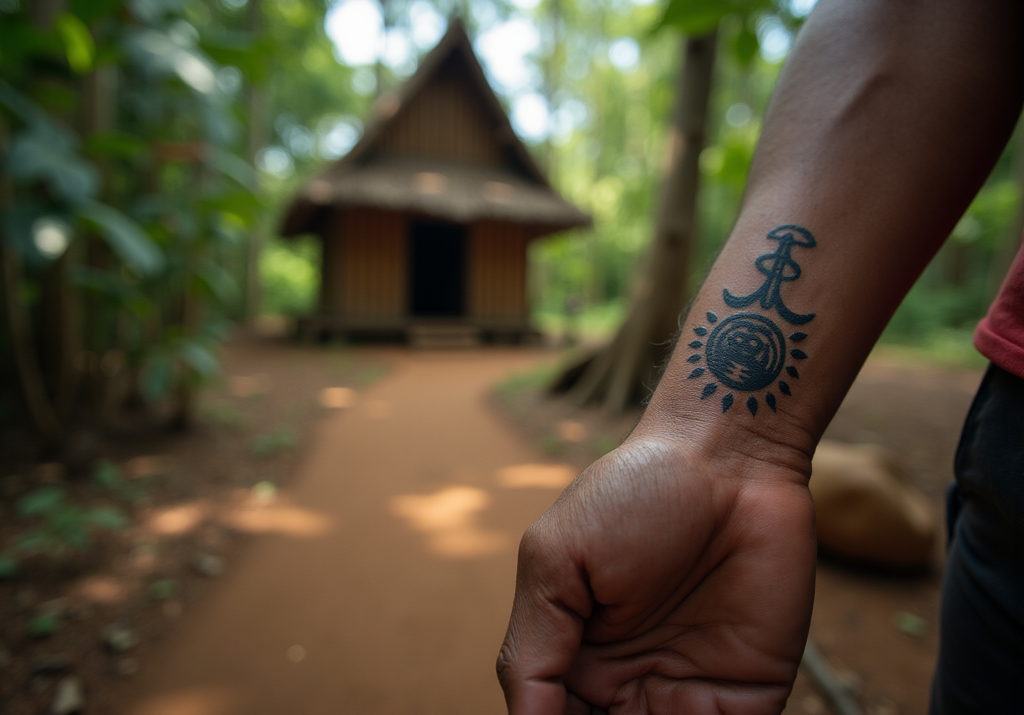
- Filipino tribal tattoos, known as batok, represent cultural heritage and identity among indigenous groups in the Philippines.
- Batok designs convey messages of bravery, beauty, and social standing, narrating the wearer’s lineage and achievements.
- The practise of batok is passed down through bloodlines, emphasising its deep-rooted cultural significance.
- There is a resurgence in the popularity of batok as individuals reconnect with their roots and express their identities.
- Historical origins trace back to pre-colonial times, where tattoos marked rites of passage and significant life events.
- Spanish colonisation led to a decline in tattoo practises, but traditions persisted in remote areas.
- Modern artists are merging traditional motifs with contemporary styles, showcasing the evolution of Filipino body art.
- Common tattoo motifs symbolise various attributes, such as strength and protection, with designs like snakes representing wisdom.
- The revival of batok serves as a cultural reclamation movement, reinforcing pride and awareness among Filipinos.
- Events celebrating traditional tattooing highlight the importance of preserving these ancient practises for future generations.
Introduction
Filipino tribal tattoos, known as ‘batok,’ are not just aesthetic expressions; they are profound symbols deeply rooted in the rich cultural heritage of the Philippines. These intricate designs serve as markers of identity, status, and personal achievements, connecting individuals to their ancestral roots and narrating their unique life stories. As we witness a resurgence of this ancient art form, a compelling question emerges: how can the revival of these traditional practices empower contemporary Filipinos to reclaim their heritage and redefine their identities in a modern world?
Furthermore, understanding the significance of ‘batok’ can inspire a movement towards cultural appreciation and identity reclamation. By embracing these tattoos, individuals not only honor their past but also assert their place in today’s society. This revival is not merely about aesthetics; it’s about fostering a deeper connection to one’s roots and heritage.
In addition, as more Filipinos explore the meaning behind ‘batok,’ we can anticipate a shift in how cultural identity is perceived and valued. This journey of rediscovery could lead to a stronger sense of community and belonging among Filipinos, both locally and abroad. The question remains: are we ready to embrace this cultural renaissance and its potential to reshape our identities?
Define Filipino Tribal Tattoos and Their Cultural Significance
Filipino tribal body art, known as ‘batok,’ stands as a testament to the rich cultural heritage of various indigenous groups in the Philippines. These intricate ink designs are not just decorative; they serve as powerful symbols of identity, status, and personal achievements. Historically, batok markings conveyed messages of bravery, beauty, and social standing within tribes, with each design narrating the wearer’s lineage, accomplishments, and spiritual beliefs. As Dr. Lars Krutak notes, ‘Mambabatok can only pass on their craft within their bloodlines,’ underscoring the deep-rooted heritage tied to these markings. This intricate tapestry of Filipino tribal meaning makes batok an essential component of Filipino heritage.
In recent years, there has been a notable resurgence in the popularity of these designs. Individuals are increasingly seeking to reconnect with their roots and express themselves through this ancient art form. This revival not only honors history but also reinforces the significance of traditional practices in shaping personal and community identities in today’s society. Furthermore, events like ‘Markings of Legacy: Script, Skin, and Spirit,’ scheduled for August 4, 2025, highlight the ongoing relevance of batok designs in contemporary discussions about cultural heritage and self-conception.
Why is this revival important? It serves as a reminder of the enduring power of cultural expression and the need to preserve these traditions for future generations. As we engage with this art form, we not only celebrate our past but also pave the way for a richer understanding of our identities in a modern context.
Explore the Historical Origins of Filipino Tribal Tattoos
Filipino tribal meaning is deeply rooted in pre-colonial history, where indigenous tribes like the Kalinga, Igorot, and Visayan utilized skin markings as rites of passage and spiritual expression. These body art pieces commemorated significant life events – victories in battle and the transition into adulthood – symbolizing both personal and communal identity. As Elle Festin, co-founder of Tatak Ng Apat na Alon, points out, “Individuals are getting body art to ensure ancestral art forms are not forgotten.”
However, the arrival of Spanish colonizers in the 16th century marked a pivotal shift. Colonial authorities deemed body art barbaric, leading to a decline in these practices. Despite this suppression, the tradition persisted in remote regions, and today, we witness a remarkable resurgence of interest in these ancient art forms. This revival reflects a broader societal reclamation movement among Filipinos, as communities strive to reconnect with their heritage and honor the Filipino tribal meaning of their ancestral practices.
For instance, Tito Gavina, a Filipino American body artist, has successfully merged traditional motifs with modern styles, showcasing the evolving nature of Philippine cultural body art. The efforts of groups like Tatak Ng Apat na Alon underscore the importance of preserving these traditions, as they actively educate and engage the diaspora in their rich cultural heritage. This is not just about art; it’s about identity, history, and the future of Filipino culture.
Uncover the Meanings and Symbolism Behind Filipino Tribal Tattoos
Filipino tribal meaning is deeply embedded in ink designs, where each pattern symbolizes the wearer’s identity and life experiences. Common motifs, such as animals, nature, and geometric shapes, represent distinct attributes like strength, protection, and ancestral connections. For instance, a snake design symbolizes wisdom and transformation, while a sun motif signifies life and vitality. These ink designs serve as talismans, believed to protect against harmful entities and honor the wearer’s heritage.
The Filipino tribal meaning embedded in these designs is intricately woven into the narratives of the tribes, passed down through generations. This makes each design a unique blend of personal and communal storytelling. The practice of batok, exemplified by the renowned artist Apo Whang-Od, who has been practicing for over nine decades, underscores the significance of these designs in preserving heritage and personal expression. Whang-Od’s work not only celebrates this art form but also acts as a vital link to the past, ensuring that the stories they convey endure through time.
As anthropologist Lars Krutak notes, the resurgence of these traditions is crucial for preserving heritage, especially in a society where body art was once stigmatized. This artistic revival highlights the Filipino tribal meaning of body art as important markers of identity and strength within communities in the Philippines. Are we ready to embrace and support these cultural expressions that define us?
Discuss the Contemporary Relevance of Filipino Tribal Tattoos
Filipino tribal meaning is witnessing a remarkable revival, as more individuals seek to reclaim their heritage and express their identities through tattoos. This movement transcends mere aesthetics; it embodies a profound pride and awareness among Filipinos, both domestically and in the diaspora. Traditional tattooing is increasingly embraced as a vital means to connect with ancestral roots and honor the rich history of indigenous practices.
Events celebrating these ancient art forms are becoming more prevalent, showcasing the dedication of artists committed to preserving and revitalizing traditional tattooing techniques. Notably, the resurgence of batok, an ancient tattooing method, has gained significant traction, with practitioners like Apo Whang-Od inspiring a new generation. This revival highlights the importance of ancestral markings, which signify a deep connection to one’s heritage and reflect the Filipino tribal meaning, serving as a guide for navigating the modern world with ancestral wisdom.
This cultural renaissance not only fosters a strong sense of identity but also acts as a powerful symbol of resilience and community. It bridges the past with the present, reinforcing the significance of cultural heritage in today’s society. With an estimated 14 to 17 million Indigenous peoples in the Philippines, the impact of these tattoos is profound, reflecting a rich history that predates colonization and continues to thrive today.
Conclusion
Filipino tribal tattoos, known as ‘batok,’ represent a rich cultural heritage that encapsulates the identity, achievements, and beliefs of diverse indigenous groups in the Philippines. These intricate designs transcend mere body art; they stand as powerful symbols of personal and communal narratives, intricately woven into the fabric of Filipino history. The revival of batok not only signifies a reconnection with ancestral roots but also underscores the critical importance of preserving these traditions in our modern context.
The historical significance of Filipino tribal tattoos is profound, as they play vital roles in rites of passage and spiritual expression among indigenous tribes. Despite the challenges posed by colonial suppression, the enduring nature of these art forms reveals remarkable resilience and a strong desire to reclaim cultural identity. Insights shared by artists and advocates illuminate ongoing efforts to educate and engage communities in the rich tapestry of Filipino heritage, ensuring that these invaluable stories are not lost to time.
Ultimately, the resurgence of Filipino tribal tattoos serves as a powerful reminder of the importance of cultural expression and the urgent need to honor and preserve these traditions for future generations. As individuals embrace this art form, they not only celebrate their history but also contribute to a broader movement of cultural reclamation that enriches both personal and communal identities. Supporting this revival is essential for fostering a deeper understanding of heritage and recognizing the significance of these ancient practices in shaping the Filipino experience today.
Frequently Asked Questions
What are Filipino tribal tattoos known as?
Filipino tribal tattoos are known as ‘batok.’
What do batok tattoos symbolize?
Batok tattoos symbolize identity, status, and personal achievements, conveying messages of bravery, beauty, and social standing within tribes.
How are batok designs related to an individual’s lineage and beliefs?
Each batok design narrates the wearer’s lineage, accomplishments, and spiritual beliefs, making them deeply personal and culturally significant.
Who can pass on the craft of batok tattooing?
The craft of batok tattooing can only be passed on within the bloodlines of the mambabatok, as noted by Dr. Lars Krutak.
What has contributed to the resurgence of interest in batok tattoos?
There has been a resurgence in interest as individuals seek to reconnect with their roots and express themselves through this ancient art form.
Why is the revival of batok tattoos significant?
The revival is significant as it honors history, reinforces traditional practices, and shapes personal and community identities in contemporary society.
What event is highlighting the relevance of batok designs in modern discussions?
The event ‘Markings of Legacy: Script, Skin, and Spirit,’ scheduled for August 4, 2025, highlights the ongoing relevance of batok designs in discussions about cultural heritage and self-conception.
What does engaging with batok tattoos remind us of?
Engaging with batok tattoos reminds us of the enduring power of cultural expression and the importance of preserving these traditions for future generations.
List of Sources
- Define Filipino Tribal Tattoos and Their Cultural Significance
- THE MODERN MAMBABATOK INKS KIMAT AT “MARKINGS OF LEGACY: SCRIPT, SKIN, AND SPIRIT” (https://honolulupcg.dfa.gov.ph/consulate-news/1552-the-modern-mambabatok-inks-kimat-at-markings-of-legacy-script-skin-and-spirit)
- Apo Whang-Od And The Indelible Marks Of Filipino Identity (https://vogue.ph/magazine/apo-whang-od)
- The art of batok and the revival of Filipino tribal tattoo culture – ABC Asia (https://abc.net.au/asia/batok-filipino-tattoo-revival/104196594)
- Reviving the art of Filipino tribal tattoos (https://bbc.com/news/world-asia-27539510)
- Three dots iconic tattoo of Apo Whang-Od and copyright (https://cebudailynews.inquirer.net/650637/three-dots-iconic-tattoo-of-apo-whang-od-and-copyright)
- Explore the Historical Origins of Filipino Tribal Tattoos
- Batok: An ancient Philippine tattoo comeback (https://firstcoastnews.com/article/news/community/aapi-heritage/batok-an-ancient-philippine-tattoo-comeback/77-bb86cad2-404c-4076-a5d6-76236d9676a9)
- Reviving the art of Filipino tribal tattoos (https://bbc.com/news/world-asia-27539510)
- Rambunctious Rebels: Histories of authentic expression in Filipinx tattoo cultures — Mahalaya (https://mahalayasf.org/arts-and-culture/rambunctious-rebels-histories-of-authentic-expression-in-filipinx-tattoo-cultures)
- The art of batok and the revival of Filipino tribal tattoo culture – ABC Asia (https://abc.net.au/asia/batok-filipino-tattoo-revival/104196594)
- Uncover the Meanings and Symbolism Behind Filipino Tribal Tattoos
- I got inked by the world’s oldest tattoo artist (https://abc17news.com/entertainment/cnn-style/2024/07/10/i-got-inked-by-the-worlds-oldest-tattoo-artist)
- The art of batok and the revival of Filipino tribal tattoo culture – ABC Asia (https://abc.net.au/asia/batok-filipino-tattoo-revival/104196594)
- Reviving the art of Filipino tribal tattoos (https://bbc.com/news/world-asia-27539510)
- INDIGENOUS TATTOO ARTIST PROMOTES TRADITIONAL FILIPINO TATTOO ART IN MALAYSIA (https://kualalumpurpe.dfa.gov.ph/newsroom/press-releases/633-indigenous-tattoo-artist-promotes-traditional-filipino-tattoo-art-in-malaysia)
- Discuss the Contemporary Relevance of Filipino Tribal Tattoos
- The art of batok and the revival of Filipino tribal tattoo culture – ABC Asia (https://abc.net.au/asia/batok-filipino-tattoo-revival/104196594)
- The rebirth of a 1,000-year tradition (https://bbc.com/travel/article/20160106-an-ancient-ink-technique-sees-new-blood)
- The meaning of this Filipino tattoo method is deeper than skin (https://turnto23.com/the-meaning-of-this-filipino-tattoo-method-is-deeper-than-skin)
- Filipino cultural tattoos are alive again in Filipinx America – International Examiner (https://iexaminer.org/filipino-cultural-tattoos-are-alive-again-in-filipinx-america)