
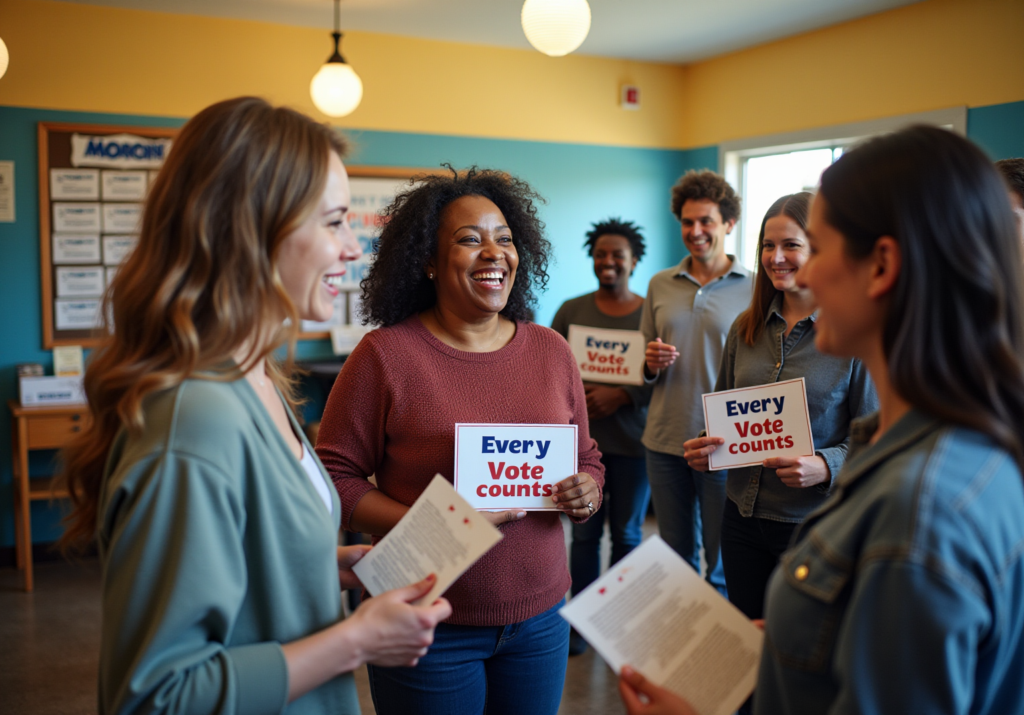
Key Highlights:
- Educating union members on how voting impacts leadership and decision-making is crucial for engagement.
- Real-life examples, such as the 66% voter turnout in the 2020 U.S. presidential election, underscore the significance of civic participation.
- Communicating the benefits of voting, like improved working conditions and representation, can motivate members to participate.
- A sense of urgency should be established to encourage members to voice their opinions through voting.
- Sharing success stories from organisations that mobilised voters can illustrate the positive outcomes of increased participation.
- Personal outreach strategies, such as individual discussions and peer-to-peer engagement, can enhance voter turnout.
- Utilising social media platforms popular among younger voters is essential for effective engagement.
- Creating visually appealing content and hosting virtual events can foster community and interest in the electoral process.
- Timely reminders through multiple communication channels can maximise voter turnout and ensure members are informed.
- Personalising reminders with relevant details increases their effectiveness and encourages participation.
Introduction
Union leaders play a pivotal role in shaping the future of their organizations, yet the challenge of mobilizing members to vote often looms large. By fostering a culture of voter engagement, leaders can not only enhance participation but also secure better outcomes for their constituents. How can union leaders effectively motivate their members to cast their ballots and ensure their voices are heard in critical decisions? This article explores actionable strategies that empower union leaders to encourage voting, ultimately strengthening the collective power of their organizations.
Furthermore, understanding the significance of voter engagement is crucial. Statistics show that higher voter turnout correlates with improved representation and better negotiation outcomes. In addition, case studies reveal that unions with active voter engagement initiatives see a marked increase in member satisfaction and trust in leadership.
To address these challenges, union leaders must implement effective strategies. This includes:
- Creating a robust communication plan that highlights the importance of voting
- Utilizing testimonials from engaged members
- Providing clear information on the voting process
By doing so, leaders can inspire their members to take action and participate in shaping their future.
Recognize the Importance of Voter Engagement
The Importance of Voter Involvement
Acknowledging the significance of voter involvement is essential for leaders striving to influence the future of their organizations. Here are actionable strategies to encourage voting among union members:
Educate Members
- Organize informational sessions that clarify how voting directly influences union leadership and decision-making.
- Highlight real-life examples where member turnout significantly impacted election outcomes, reinforcing the idea that every vote matters.
- For instance, during the 2020 U.S. presidential election, approximately 66% of eligible individuals participated, showcasing the importance of civic engagement.
Highlight Benefits
- Clearly communicate the advantages of voting, such as enhanced working conditions, improved wages, and stronger representation.
- Statistics indicate that increased participation in elections correlates with positive results for labor organizations, making it crucial for participants to comprehend the stakes involved.
- Historical data shows that states with stronger labor representation tend to experience higher rates of voter turnout, highlighting the need for collective participation.
Establish a Sense of Urgency
- Emphasize that elections are crucial instances for individuals to voice their views and shape the course of their organization.
- Remind them that their involvement is essential, as every vote adds to the shared voice of the group.
Share Success Stories
- Present case studies from organizations that have effectively mobilized their participants to vote, illustrating the positive changes that resulted from increased involvement.
- For example, Votem successfully managed 299,000 votes for the National Radio Hall of Fame, marking a significant increase from the previous year.
- Furthermore, endorsements from figures such as Linda McCulloch emphasize how Votem’s contemporary voting system improved accessibility for all eligible participants, demonstrating the effect of effectively engaging citizens.
By applying these strategies, leaders can cultivate an atmosphere that demonstrates how to encourage people to vote, ultimately resulting in more beneficial outcomes for their members.
Implement Personal Outreach Strategies
Personal outreach is an effective method for how to encourage people to vote and significantly enhance voter turnout. Here’s how union leaders can implement effective strategies:
-
Individual Discussions: Arrange meetings or phone calls with participants to discuss the importance of casting ballots. Personalize the conversation by addressing individual concerns and motivations. This approach not only informs individuals on how to encourage people to vote but also empowers them to take action.
-
Peer-to-Peer Engagement: Encourage individuals to connect with their peers. This can be achieved through casual meetups or organized initiatives where participants share their electoral experiences and motivate others to engage. By fostering a community of support, you can discover how to encourage people to vote and amplify the impact of your outreach efforts.
-
Utilize Member Testimonials: Share stories from members who have benefited from voting in past elections. This can be accomplished through newsletters, social media, or during collective meetings. Testimonials serve as powerful reminders of how to encourage people to vote and illustrate the difference that participation can make.
-
Establish Voting Groups: Assemble committees within the organization that focus on electoral participation. These committees can arrange events, distribute materials, and act as a point of contact for individuals with inquiries about the voting process. By creating dedicated teams, you enhance the organization’s capacity to understand how to encourage people to vote effectively.
Utilize Social Media to Engage Younger Voters
To effectively engage younger constituents, union leaders must leverage social media platforms. Here are essential strategies to consider:
-
Choose the Right Platforms: Identify which social media platforms your younger participants use most frequently – think Instagram, TikTok, and Twitter – and focus your efforts there. These platforms are where younger voters are most active and receptive to engagement.
-
Create Engaging Content: Develop content that is visually appealing and easy to share. Infographics, short videos, and interactive polls can capture attention and encourage sharing. Engaging content significantly boosts interaction rates, especially among younger demographics.
-
Host Virtual Events: Arrange live Q&A sessions or webinars on social media where participants can inquire about the election process and discover information about candidates or issues involved. These events foster a sense of community and provide valuable information in an accessible format.
-
Encourage User-Generated Content: Motivate participants to share their voting stories or reasons for voting through social media. This creates a sense of community and encourages others to participate, as personal stories resonate more deeply than traditional messaging.
-
Employ Peer-to-Peer Outreach: Execute peer-to-peer texting tactics, enabling organization participants to personally contact prospective new individuals. This method enhances engagement compared to traditional outreach, as messages come from trusted sources, increasing the likelihood of responses.
-
Adopt a Multi-Channel Approach: Combine social media efforts with direct messaging channels like SMS and email to ensure critical updates reach workers. This approach is essential for fostering awareness and commitment among participants.
By employing these strategies, organizations can learn how to encourage people to vote and effectively boost electoral participation among younger individuals, utilizing the distinct strengths of social media to promote engagement and community involvement. As Tim Smith noted, “Recruitment works best as a conversation and not as a broadcast,” highlighting the importance of personal engagement in outreach efforts.
Send Timely Voting Reminders
Union leaders must implement a robust system for sending timely reminders to learn how to encourage people to vote and maximize voter turnout. Here’s how:
-
Establish a Reminder Schedule: Develop a comprehensive timeline for reminders that begins weeks before the election and continues through election day. This should encompass alerts for registration cutoffs and election dates, ensuring participants are well-informed.
-
Utilize Multiple Communication Channels: Distribute reminders through various platforms such as email, text messages, and social media. This multi-channel strategy addresses individuals’ preferences, enhancing the chances that they will receive and respond to the information.
-
Personalize Reminders: Tailor reminders to include specific details relevant to each individual, such as their designated voting location or key issues on the ballot that directly affect them. Personalization fosters a stronger connection and demonstrates how to encourage people to vote. Additionally, consider using Advanced Notice Customization, a feature of Votem’s services, to tailor messages for specific Voting Groups, enhancing relevance.
-
Incorporate Countdown Timers: Implement countdown timers in digital communications to instill a sense of urgency. Visual reminders can significantly enhance the effectiveness of prompts, motivating members to take action before the election. Utilizing Votem’s real-time quorum meter can also help monitor participant involvement, ensuring that turnout goals are met. Votem has successfully boosted participation in various elections, delivering 123,000 votes-more than double the turnout of the last election in 2015. Testimonials from leaders highlight the importance of accessibility, with one stating, “Implementing Votem’s new, modern system which allowed greater access for all qualified voters from military voters to voters with disabilities was my greatest accomplishment in office.” Remember, online voting can potentially increase participation by up to three times on launch day, making timely reminders even more crucial.
Conclusion
Encouraging voter participation within unions transcends mere civic duty; it is a crucial element that shapes the future of labor organizations. Union leaders must recognize the significance of voter engagement and implement targeted strategies to influence participation levels among their members. This concerted effort not only empowers individuals but also fortifies the collective voice of the union.
To foster voter turnout, several key strategies can be employed:
- Educating members about the direct impact of their votes is essential.
- Emphasizing the benefits of participation and establishing a sense of urgency around elections can further motivate engagement.
- Personal outreach, social media engagement, and timely reminders are effective tools to connect with members, especially younger voters who are more inclined to engage through digital platforms.
- Sharing success stories and utilizing testimonials reinforces the message that every vote counts and can lead to meaningful change.
Ultimately, the responsibility lies with union leaders to cultivate an environment that prioritizes voter engagement. By actively promoting participation and utilizing innovative outreach methods, unions can enhance their influence and ensure that their members’ voices are heard. The call to action is clear: take the necessary steps to motivate and empower union members to participate in the electoral process. Their votes are crucial in shaping the policies and leadership that affect their lives and workplaces.
Frequently Asked Questions
Why is voter engagement important for union members?
Voter engagement is crucial for union members as it directly influences union leadership and decision-making, impacting working conditions, wages, and representation.
What strategies can leaders use to encourage voting among union members?
Leaders can encourage voting by educating members about the voting process, highlighting the benefits of voting, establishing a sense of urgency, and sharing success stories from organizations that have mobilized their members to vote.
How can education improve voter involvement?
Organizing informational sessions can clarify how voting affects union leadership and decision-making, and sharing real-life examples of significant member turnout can reinforce the importance of each vote.
What benefits of voting should be communicated to union members?
Benefits include enhanced working conditions, improved wages, and stronger representation, as increased participation in elections is correlated with positive results for labor organizations.
Why is it important to establish a sense of urgency around elections?
Establishing a sense of urgency emphasizes that elections are key opportunities for individuals to voice their views and shape the direction of their organization, making their involvement essential.
Can you provide an example of a successful voter mobilization effort?
An example is Votem, which successfully managed 299,000 votes for the National Radio Hall of Fame, marking a significant increase from the previous year, demonstrating effective engagement and increased participation.
What role do endorsements play in promoting voter engagement?
Endorsements from influential figures, such as Linda McCulloch, can highlight the effectiveness of contemporary voting systems in improving accessibility and encourage citizens to participate in elections.
List of Sources
- Recognize the Importance of Voter Engagement
- What Is Voter Turnout and Why It Matters for Unions | Online Voting with Votem® (https://votem.com/what-is-voter-turnout-and-why-it-matters-for-unions)
- Utilize Social Media to Engage Younger Voters
- How Labor Unions Can Increase Membership With Technology: 8 Proven Tactics (https://dialmycalls.com/blog/top-6-tips-labor-unions-increase-membership)
- Send Timely Voting Reminders
- Feature Focus: Voting Groups Reminders – ElectionBuddy (https://electionbuddy.com/blog/2024/04/22/feature-focus-voting-groups-reminders)
- Electio: Enhance Voter Engagement and Trust in Union Elections | Online Voting with Votem® (https://votem.com/electio-enhance-voter-engagement-and-trust-in-union-elections)
- These Inspiring Quotes Will Get You Excited to Vote (https://countryliving.com/life/g24446791/voting-quotes)